
Loot Boxes, Boosting and Slots Share One Reward Loop in Counter Strike
Posted: 30 Oct 2026
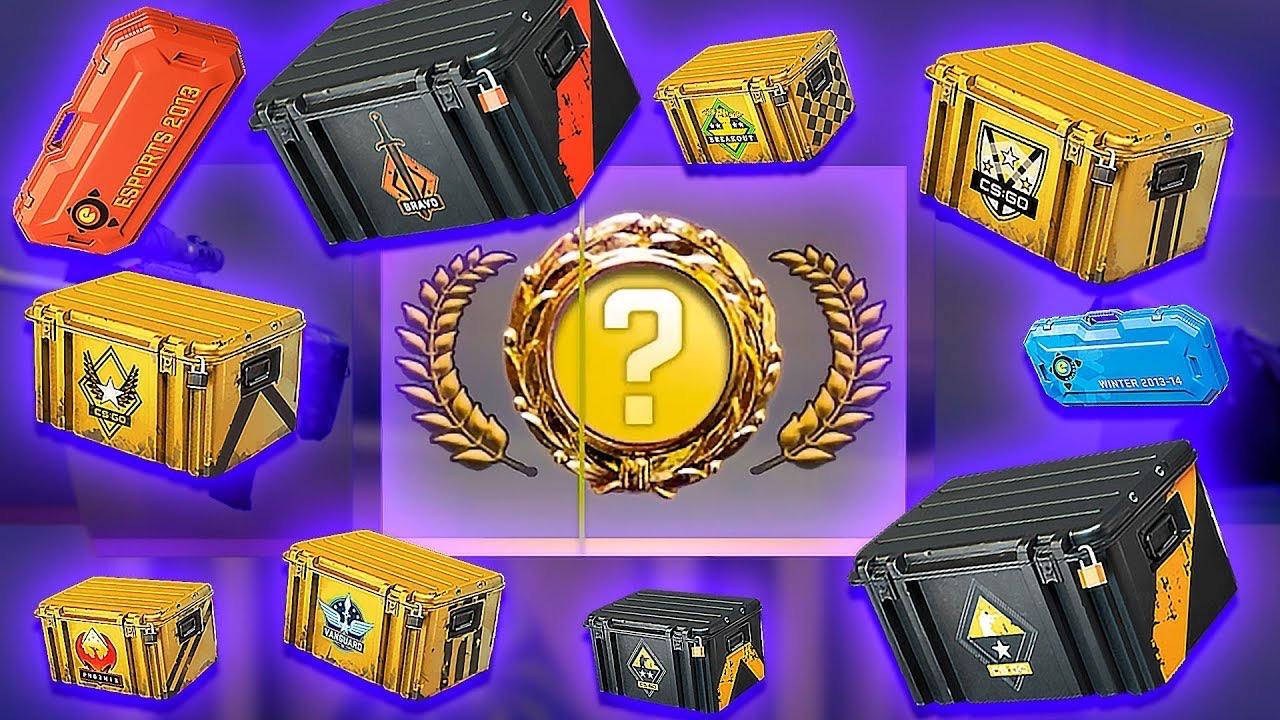
A Counter Strike player opens a case and receives an ordinary weapon skin. Another pays for assistance in reaching a higher competitive rank. Elsewhere, a slot machine completes its animation and displays a losing combination. Each activity involves anticipation, expenditure or effort, and an anticipated reward.
Yet their mechanisms differ. Loot boxes distribute randomized virtual items, slots connect random outcomes to monetary payouts, and boosting relies on competitive performance. The similarities concern reward expectations rather than identical probability models.
Why Loot Boxes and Slots Turn Uncertainty Into Anticipation
Loot-box openings package uncertainty into a staged reveal. The animation builds anticipation before the item appears, and its rarity can affect how valuable it seems. A similar use of anticipation appears in slots canada, including the games available on ToonieBet for Canadian customers outside Ontario. The operator combines a catalogue of thousands of casino games and live-dealer tables with a sportsbook. These products occupy different categories, although several use uncertain outcomes and visual feedback.
The order in which rewards appear changes how they are presented, but not their chances of occurring. Studies of paid loot boxes have found parallels with gambling, although the psychological and financial effects are not necessarily the same.
Boosting involves another motivation. Competitive rank functions as a status marker within multiplayer communities. Paying someone to improve that position connects expenditure to achievement, but the outcome depends on gameplay rather than random selection.
What a 0.256% Loot Box Drop Rate Actually Means
One published loot-box probability disclosure identifies five acquisition categories:
Reward category | Probability |
Category A | 79.923% |
Category B | 15.985% |
Category C | 3.197% |
Category D | 0.639% |
Special category | 0.256% |
These figures describe a particular opening mechanism, not universal probabilities for Counter Strike cases. The 0.256% figure represents the stated chance of receiving an item from the special category during an eligible opening. It does not establish the probability of obtaining a specific item within that category.
Rarity also differs from monetary value. A low acquisition probability cannot independently establish an item's resale price or the expected financial return from opening a case. Such calculations require item-level probabilities and defensible valuations. The percentages describe long-run frequencies rather than a delivery schedule. Under independent openings, previous failures do not increase the chance of obtaining a rare category next time.
Some systems employ history-dependent probability adjustments. Any claim about independence must therefore be checked against the particular reward mechanism.
Why a 96% Slot RTP Cannot Be Compared With a Drop Rate
Return to player, or RTP, measures theoretical gross payouts relative to wagering turnover. It combines outcome probabilities with their assigned monetary returns. Consider a hypothetical slot configuration with 96% RTP. Across a sufficiently large volume of wagers, its mathematical model produces an expected gross return of $96 per $100 staked.
That does not mean a 96% probability of winning, nor does it promise that an individual session will recover 96% of its starting balance. Wagering turnover includes amounts repeatedly staked and should not be confused with initial deposits.
Two games may share the same theoretical RTP while distributing payouts differently. One could generate relatively frequent smaller awards; another might concentrate returns in less frequent, larger payouts.
The difference from loot-box probabilities is substantial. A 0.256% drop rate shows how often a particular category of reward is expected to appear. RTP, by contrast, measures the average monetary return over time. The two figures describe different things and cannot be compared as chances of winning.
What Reward Probability Disclosures Leave Unanswered
Publishing probability information does not guarantee that consumers encounter it before purchasing. A peer-reviewed study examining a 2021 sample found loot-box probability disclosures in 48 of 75 games. Only one displayed those figures automatically on its purchase page without further interaction.
Even an accessible category table may omit individual-item probabilities, conditional mechanics or sufficient information to calculate monetary value. Ontario's Alcohol and Gaming Commission (AGCO) establishes requirements concerning game information and transparency within its regulated internet-gaming framework. Those standards cannot be applied automatically to video-game loot boxes.
ToonieBet's Canada platform is operated by Tobix Limited under Tobique Gaming Commission licence No. 0000050. Meaningful disclosure requires more than presenting percentages. The applicable rules, conditions and outcome definitions determine what those numbers actually communicate.
Why Rank Boosting Breaks the Probability Comparison
Paid boosting generally involves a more skilled player improving another account's competitive ranking. The intended reward is advancement within a hierarchy where higher ranks may carry social recognition. Matchmaking, opponent quality and player performance shape the result. Neither loot-box drop rates nor slot RTP describes this process.
Boosting also raises concerns about account security and competitive integrity, separate from the financial risks of randomized gambling products. In Canada, measures to reduce gambling-related harm include spending limits, taking breaks and access to provincial support services. A run of losses does not make a random reward more likely, and published return percentages cannot tell someone how much they will win or lose.
Loot boxes, boosting and slots can connect expenditure to anticipated rewards. Their similarities end where random selection, monetary payout calculations and competitive performance begin to follow different rules.
Join the community
We have a community with over 17,000+ smurfers and league players where we host weekly events, tournaments and giveaways.